
Key Takeaways
- GLP-1 drugs can produce rapid weight loss and metabolic improvements, but many patients discontinue them due to side effects.
- Studies show weight regain after stopping GLP-1 drugs can occur twice as fast as weight lost through diet and exercise.
- One possible reason is that continuous injections may reduce the body’s natural GLP-1 signaling from the gut.
- The Zone Diet stimulates natural GLP-1 release through balanced macronutrient intake, particularly adequate protein.
- Eating roughly 30–35 grams of protein per meal helps maintain lean body mass and reduces hunger.
- Using the plate method—protein, vegetables, fruit, and healthy fats—can help sustain calorie restriction without hunger.
- Both GLP-1 drugs and the Zone Diet activate AMPK, the master regulator of metabolism.
- Adding omega-3 fatty acids and polyphenols further increases AMPK activity and metabolic health.
- This combined system is known as Metabolic Engineering®, a sustainable long-term approach to metabolic control.
GLP-1 drugs restrict calorie intake, leading to rapid metabolic benefits. So does Metabolic Engineering®. The critical question is whether those benefits can be sustained long-term without continuous reliance on GLP-1 drugs.
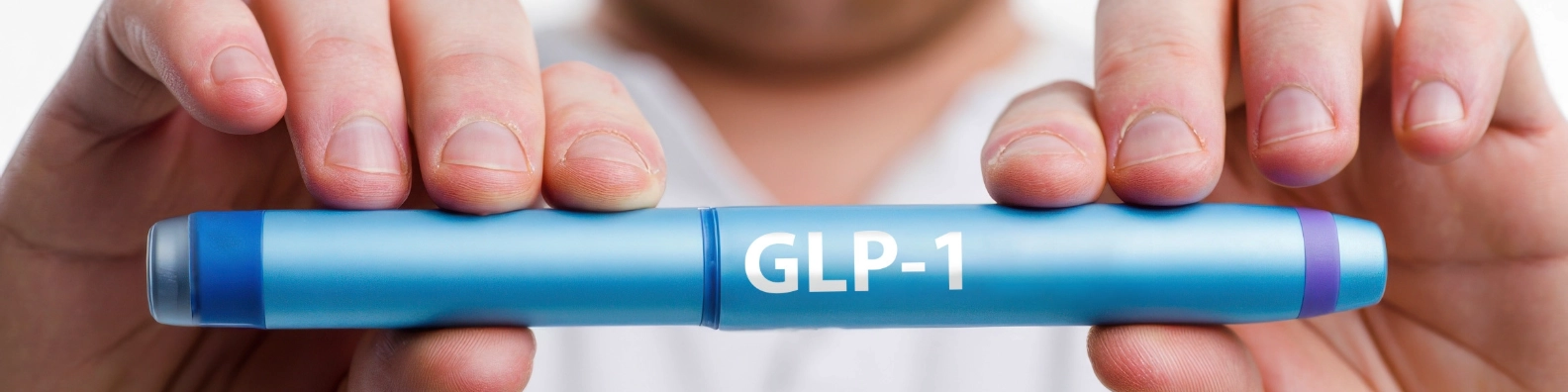
GLP-1 drugs are hailed as wonder drugs. They cause weight loss, reduce the risk of diabetes, improve cardiovascular health, decrease cravings, etc. Unfortunately, all those benefits rapidly disappear once you stop using the drug. And why would anyone stop using such a wonder drug? The answer is the side effects, as nearly 50 percent of the patients stop using the drugs within a year after starting (1, 2).
Side effects rarely emerge during the initial clinical trials run by the drug company marketing the drug. However, they begin to develop after the drug is introduced into the general population once it is approved. GLP-1 drugs are no different, but 50 percent is an exceptionally high discontinuation rate considering the media hype and extensive television marketing of these drugs.
Now two new articles have come out indicating that the weight regain after stopping these GLP-1 drugs is twice as rapid compared to those who lost weight via diet and exercise (3, 4). Furthermore, the metabolic and cardiovascular benefits observed with GLP-1 drugs were also rapidly lost (3).
The reason for the rapid loss of all GLP-1 benefits is more complex. One theory is that constant injection of GLP-1 drugs downregulates the natural release of GLP-1 from the gut in response to dietary protein. This reduced natural GLP-1 signaling could explain the more rapid weight regain after stopping the drugs. It also suggests a potential solution: changing the macronutrient composition of your diet while maintaining the same level of calorie restriction induced by GLP-1 drugs, without hunger. That is the foundation of the Zone diet.
The Zone diet was developed based on drug delivery principles, not dietary beliefs. The starting point is determining the amount of protein you need daily to maintain your lean body mass, but not your total weight, but your lean body mass.
The typical American diet provides about 16% of total calories coming from protein. A safe protein intake for adults is between 10 and 35% of total calories. The Zone diet starts with increasing your daily protein intake to 30% of total calories, not only to maintain lean body mass, but also to stimulate the natural release of GLP-1 from the gut more effectively.
Your protein intake should be spread evenly throughout the day to maintain a steady release of GLP-1 from the gut, so you aren’t hungry. That is the secret to successful lifetime calorie restriction. On an individual meal basis, that is about 30-35 grams of protein per meal. Add to that amount of protein a slightly higher level of low glycemic carbohydrates (non-starchy vegetables are the best, with limited amounts of fruits) and a dash of fat, and you will get the same degree of appetite suppression as any GLP-1 drug, but without any loss of lean body mass (5, 6).
What does this mean practically? At each meal, use your plate as a guide. One third of the plate should consist of low-fat protein, approximately the size of the palm of your hand. Half of the plate should consist of non-starchy vegetables, and one-sixth of your plate should consist of fruits, primarily small berries (no more than half a cup). Then add a dash of monounsaturated fat, such as olive oil or nuts. That’s it. No complicated mathematical calculations.
How do you know if it’s working? You shouldn’t be hungry after five hours. If you are, you probably added too much fruit since it is rich in simple sugars like glucose and fructose.
At the molecular level, both GLP-1 drugs and the Zone diet use calorie restriction to activate AMPK, the master regulator of metabolism. If AMPK is activated, you burn fat faster, which leads to weight loss.
However, both the Zone diet and lifelong GLP-1 use can be enhanced to provide even greater metabolic benefits by increasing omega-3 fatty acid intake and reducing oxidative stress through increased polyphenol intake, thereby further increasing AMPK activity (7).
This total dietary system is Metabolic Engineering®. Metabolic Engineering® is a lifelong intervention. But if you prefer taking weekly injections of GLP-1 drugs with their associated side-effects, at least consider adding these adequate levels of omega-3 fatty acids and polyphenols as supplements to those GLP-1 injections to get the full benefits that automatically come from Metabolic Engineering®.
Frequently Asked Questions About GLP-1 Weight Loss Drugs
What are GLP-1 drugs?
GLP-1 drugs are medications that mimic the hormone glucagon-like peptide-1, which reduces appetite, slows stomach emptying, and lowers blood sugar levels. These drugs are widely used for weight loss and treatment of type 2 diabetes.
Why do people regain weight after stopping GLP-1 drugs?
Studies suggest that weight regain can occur quickly once the medication is stopped because the drug suppresses appetite artificially. When the drug is discontinued, hunger signals often return, leading to increased calorie intake.
Do GLP-1 drugs affect the body’s natural GLP-1 production?
Some researchers believe that long-term use of injected GLP-1 drugs may reduce the body’s natural release of GLP-1 from the gut. This could contribute to increased hunger and faster weight regain once treatment stops.
How can diet naturally stimulate GLP-1 release?
Dietary protein is a strong trigger for the natural release of GLP-1 from the gut. The Zone Diet increases protein intake to about 30 percent of total calories and spreads it evenly throughout the day to maintain appetite control.
What is Metabolic Engineering®?
Metabolic Engineering® is a dietary system designed to activate AMPK, the master regulator of metabolism. It combines the Zone Diet with increased omega-3 fatty acids and polyphenols to reduce inflammation and improve metabolic health.
Can diet provide the same appetite control as GLP-1 drugs?
A balanced diet containing adequate protein, low-glycemic carbohydrates, and healthy fats can stimulate natural GLP-1 release and reduce hunger, allowing calorie restriction without relying on medications.

References
1. Do D, Lee T, Peasah SK, Good CB, Inneh A, Patel U. GLP-1 receptor agonist discontinuation among patients with obesity and/or type 2 diabetes. JAMA Netw Open 7:e2413172 (2024). doi: 10.1001/jamanetworkopen.2024.13172.
2. Rodriguez PJ, Zhang V, Gratzl S, Do D, Goodwin Cartwright B, Baker C, Gluckman TJ, Stucky N, Emanuel EJ. Discontinuation and reinitiation of dual-labeled GLP-1 receptor agonists among US adults with overweight or obesity. JAMA Netw Open. 8:e2457349 (2025). doi: 10.1001/jamanetworkopen.2024.57349.
3. Horn DB, Linetzky B, Davies MJ, Laffin LJ, Wang H, Murphy MA, Zimner-Rapuch S, Lau E, Arad AD, Lee CJ. Cardiometabolic parameter change by weight regain on tirzepatide withdrawal in adults with obesity: A post hoc analysis of the SURMOUNT-4 trial. JAMA Intern Med. Nov 24:e256112 (2025). doi: 10.1001/jamainternmed.2025.6112.
4. West S, Scragg J, Aveyard P, Oke JL, Willis L, Haffner SJP, Knight H, Wang D, Morrow S, Heath L, Jebb SA, Koutoukidis DA. Weight regain after cessation of medication for weight management: systematic review and meta-analysis. BMJ. 392:e085304 (2026). doi: 10.1136/bmj-2025-085304.
5. Stentz FB, Brewer A, Wan J, Garber C, Daniels B, Sands C, Kitabchi AE. Remission of pre-diabetes to normal glucose tolerance in obese adults with high protein versus high carbohydrate diet: randomized control trial. BMJ Open Diabetes Res Care. 4:e000258 (2016). doi: 10.1136/bmjdrc-2016-000258.
6. Stentz FB, Lawson D, Tucker S, Christman J, Sands C. Decreased cardiovascular risk factors and inflammation with remission of type 2 diabetes in adults with obesity using a high protein diet: Randomized control trial. Obes Pillars. 4:100047 (2022). doi: 10.1016/j.obpill.2022.100047.
7. Sears B, Saha AK. Dietary control of inflammation and resolution. Front Nutr. 8:709435 (2021) doi: 10.3389/fnut.2021.709435..
Key Takeaways:
- Allulose may naturally stimulate GLP-1 release, helping regulate appetite and fat metabolism without the need for injectable drugs.
- Early research suggests greater fat loss and less rebound weight gain compared to semaglutide in animal studies.
- Unlike traditional sugar, allulose is minimally absorbed and not counted as sugar, making it easier to incorporate into daily nutrition.
- Long-term success depends on body composition—not just weight, with diet (like the Zone Diet) helping preserve lean mass while reducing body fat.
What if there were a simple sugar that was more powerful than GLP-1 drugs in terms of fat loss? What if that simple sugar were already approved as a food additive so it could be added to food products like shakes, bars, oatmeal, and granola, making it realistic to take it for a lifetime?
And of course, what if that simple sugar were less expensive than any GLP-1 drug? If so, it could be a radical change in obesity treatment.
The first injectable GLP-1 drug (semaglutide) was introduced in 2017 for treating diabetes under the tradename Ozempic. The oral version of semaglutide for treating diabetes, under the trademark Rybelsus, was introduced in 2019, but you had to take it daily rather than a weekly injection. Not surprisingly, patient compliance was less than with a weekly injection.
Once injectable semaglutide was approved for weight loss in 2021 (under the trademark of Wegovy), TV advertising took off, and the world never looked back. A slightly altered form of Wegovy for oral use was approved in December 2025, but it has similar side effects to the injectable form[‘;;;.
Unfortunately, more than 50 percent of people who start GLP-1 drugs quit after one year most likely due to its side effects (1). Once you stop taking the GLP-1 drugs, the lost weight rapidly returns, and the metabolic benefits of the initial weight loss quickly erode (2).
Ok, what about that simple sugar? Its name is allulose. It has GRAS status as a food additive since 2012. What makes allulose unique is that it triggers the natural release of GLP-1 from the gut upon ingestion (3). Although 70% as sweet as sugar, allulose is rapidly excreted from the body, so the FDA doesn’t consider it sugar for labeling purposes. Its only drawback is that it can cause potential gut issues when consumed in high amounts.
The simple solution to that problem is to consume it in smaller amounts, three times a day, so you can enhance the release of GLP-1 from the gut each time you eat. The easiest way to do that is to incorporate it into food products that can be consumed at every meal.
Now what about the scientific data? A recent article compared oral semaglutide with allulose for weight loss in diet-induced obese mice (4). Although obese mice are not identical to obese humans, the results are highly suggestive. The appetite suppression in mice receiving allulose was greater, weight loss was greater, and the regain of lost weight after stopping supplementation was slower with allulose than with semaglutide.
A preliminary study in humans indicates that allulose has a dose-dependent effect on fat loss without any decrease in calorie intake (5). Although a direct comparison of high-dose oral allulose with injectable GLP-1 drugs remains to be done, the preliminary data suggests that adding allulose to your diet (or better yet including it in food products that are easily integrated into any diet) may provide a more natural alternative to achieving long-term weight loss than to use of chemically modified hormones (i.e., GLP-1 drugs) with their significant side effects.
However, it’s not just weight loss you want to achieve. Your primary goal if you want to live longer is to lose excess body fat, not just weight. A recent study suggested that your body fat percent is a better predictor of longevity than is your BMI (6).
Using GLP-1 drugs, there is a considerable loss of lean body mass along with the overall weight loss. The result is that your body fat percentage changes more slowly. Thus, your real goal is to lose excess fat and maintain lean body mass.
Published data demonstrate that when type 2 diabetics are put on the a dietary program that was consistent with the Zone diet in both the levels of calorie restriction (1,200 to 1,500 calories per day) and a macronutrient composition (40% carbohydrates, 30% protein, and 30% fat) the result was not only is there complete remission of their diabetes, but also an increase in their lean body mass (7).
So, what does this suggest for the future of obesity treatment? First, incorporating more allulose into your diet makes it far easier to achieve the real goal of changing your body composition to live longer than taking GLP-1 drugs. Second, incorporating allulose into a new generation of ZoneRx® Foods can make it easier to add it to your diet. Third, if you follow a Metabolic Engineering® dietary system using the Zone diet guidelines and incorporating ZoneRx® Foods as a source of allulose, coupled with adequate levels of omega-3 fatty acids and polyphenols, you will likely lose fat, gain lean body mass, and probably live longer.
- References
- 1. Rodriguez PJ, Zhang V, Gratzl S et al. Discontinuation and reinitiation of dual-labeled GLP-1 receptor agonists among US adults with overweight or obesity. JAMA Netw Open. 2025 Jan 2;8(1):e2457349. doi: 10.1001/jamanetworkopen.2024.57349.
- 2. Tzang CC, Wu PH, Luo CA et al. Metabolic rebound after GLP-1 receptor agonist discontinuation: a systematic review and meta-analysis. EClinicalMedicine. 2025 Nov 28;90:103680. doi: 10.1016/j.eclinm.2025.103680.
- 3. Iwasaki Y, Sendo M, Dezaki K et al. GLP-1 release and vagal afferent activation mediate the beneficial metabolic and chronotherapeutic effects of D-allulose. Nat Commun. 2018 Jan 9;9(1):113. doi: 10.1038/s41467-017-02488-y.
- 4. Rakhat Y, Banno S, Zhantleu D et al. D-Allulose reduces weight more persistently than oral semaglutide while both equally elevate grip strength in diet-induced obese mice. Nutrients. 2026 Feb 23;18(4):707. doi: 10.3390/nu18040707.
- 5. Han Y, Kwon EY, Yu MK et al. A preliminary study for evaluating the dose-dependent effect of d-Allulose for fat mass reduction in adult humans: A randomized, double-blind, placebo-controlled trial. Nutrients. 2018 Jan 31;10(2):160. doi: 10.3390/nu10020160.
- 6. Mainous AG, Yin L, Wu V et al. Body mass index vs. body fat percentage as a predictor of mortality in adults aged 20-49 years. Ann Fam Med. 2025 Jul 28;23(4):337-343. doi: 10.1370/afm. 240330.
- 7. Stentz FB, Lawson D, Tucker S et al. Decreased cardiovascular risk factors and inflammation with remission of type 2 diabetes in adults with obesity using a high protein diet: Randomized control trial. Obes Pillars. 2022 Dec 1;4:100047. doi: 10.1016/j.obpill.2022.100047.

This podcast covers these topics. Click to see more related podcasts:
GLP-1 Weight Loss Drugs: Risks, Rebound Weight Gain, and a Metabolic Engineering Alternative
Barry Sears
Founder & President, Zone Labs
Read Time: 10 minutes
Table of Contents
Key Takeaways:
- GLP-1 drugs can produce rapid weight loss and metabolic improvements, but many patients discontinue them due to side effects.
- Studies show weight regain after stopping GLP-1 drugs can occur twice as fast as weight lost through diet and exercise.
- One possible reason is that continuous injections may reduce the body’s natural GLP-1 signaling from the gut.
- The Zone Diet stimulates natural GLP-1 release through balanced macronutrient intake, particularly adequate protein.
- Eating roughly 30–35 grams of protein per meal helps maintain lean body mass and reduces hunger.
- Using the plate method—protein, vegetables, fruit, and healthy fats—can help sustain calorie restriction without hunger.
- Both GLP-1 drugs and the Zone Diet activate AMPK, the master regulator of metabolism.
- Adding omega-3 fatty acids and polyphenols further increases AMPK activity and metabolic health.
- This combined system is known as Metabolic Engineering®, a sustainable long-term approach to metabolic control.
GLP-1 drugs restrict calorie intake, leading to rapid metabolic benefits. So does Metabolic Engineering®. The critical question is whether those benefits can be sustained long-term without continuous reliance on GLP-1 drugs.
GLP-1 drugs are hailed as wonder drugs. They cause weight loss, reduce the risk of diabetes, improve cardiovascular health, decrease cravings, etc. Unfortunately, all those benefits rapidly disappear once you stop using the drug. And why would anyone stop using such a wonder drug? The answer is the side effects, as nearly 50 percent of the patients stop using the drugs within a year after starting (1, 2).
Side effects rarely emerge during the initial clinical trials run by the drug company marketing the drug. However, they begin to develop after the drug is introduced into the general population once it is approved. GLP-1 drugs are no different, but 50 percent is an exceptionally high discontinuation rate considering the media hype and extensive television marketing of these drugs.
Now two new articles have come out indicating that the weight regain after stopping these GLP-1 drugs is twice as rapid compared to those who lost weight via diet and exercise (3, 4). Furthermore, the metabolic and cardiovascular benefits observed with GLP-1 drugs were also rapidly lost (3).
The reason for the rapid loss of all GLP-1 benefits is more complex. One theory is that constant injection of GLP-1 drugs downregulates the natural release of GLP-1 from the gut in response to dietary protein. This reduced natural GLP-1 signaling could explain the more rapid weight regain after stopping the drugs. It also suggests a potential solution: changing the macronutrient composition of your diet while maintaining the same level of calorie restriction induced by GLP-1 drugs, without hunger. That is the foundation of the Zone diet.
The Zone diet was developed based on drug delivery principles, not dietary beliefs. The starting point is determining the amount of protein you need daily to maintain your lean body mass, but not your total weight, but your lean body mass.
The typical American diet provides about 16% of total calories coming from protein. A safe protein intake for adults is between 10 and 35% of total calories. The Zone diet starts with increasing your daily protein intake to 30% of total calories, not only to maintain lean body mass, but also to stimulate the natural release of GLP-1 from the gut more effectively.
Your protein intake should be spread evenly throughout the day to maintain a steady release of GLP-1 from the gut, so you aren’t hungry. That is the secret to successful lifetime calorie restriction. On an individual meal basis, that is about 30-35 grams of protein per meal. Add to that amount of protein a slightly higher level of low glycemic carbohydrates (non-starchy vegetables are the best, with limited amounts of fruits) and a dash of fat, and you will get the same degree of appetite suppression as any GLP-1 drug, but without any loss of lean body mass (5, 6).
What does this mean practically? At each meal, use your plate as a guide. One third of the plate should consist of low-fat protein, approximately the size of the palm of your hand. Half of the plate should consist of non-starchy vegetables, and one-sixth of your plate should consist of fruits, primarily small berries (no more than half a cup). Then add a dash of monounsaturated fat, such as olive oil or nuts. That’s it. No complicated mathematical calculations.
How do you know if it’s working? You shouldn’t be hungry after five hours. If you are, you probably added too much fruit since it is rich in simple sugars like glucose and fructose.
At the molecular level, both GLP-1 drugs and the Zone diet use calorie restriction to activate AMPK, the master regulator of metabolism. If AMPK is activated, you burn fat faster, which leads to weight loss.
However, both the Zone diet and lifelong GLP-1 use can be enhanced to provide even greater metabolic benefits by increasing omega-3 fatty acid intake and reducing oxidative stress through increased polyphenol intake, thereby further increasing AMPK activity (7).
This total dietary system is Metabolic Engineering®. Metabolic Engineering® is a lifelong intervention. But if you prefer taking weekly injections of GLP-1 drugs with their associated side-effects, at least consider adding these adequate levels of omega-3 fatty acids and polyphenols as supplements to those GLP-1 injections to get the full benefits that automatically come from Metabolic Engineering®.
Frequently Asked Questions About GLP-1 Weight Loss Drugs
What are GLP-1 drugs?
GLP-1 drugs are medications that mimic the hormone glucagon-like peptide-1, which reduces appetite, slows stomach emptying, and lowers blood sugar levels. These drugs are widely used for weight loss and treatment of type 2 diabetes.
Why do people regain weight after stopping GLP-1 drugs?
Studies suggest that weight regain can occur quickly once the medication is stopped because the drug suppresses appetite artificially. When the drug is discontinued, hunger signals often return, leading to increased calorie intake.
Do GLP-1 drugs affect the body’s natural GLP-1 production?
Some researchers believe that long-term use of injected GLP-1 drugs may reduce the body’s natural release of GLP-1 from the gut. This could contribute to increased hunger and faster weight regain once treatment stops.
How can diet naturally stimulate GLP-1 release?
Dietary protein is a strong trigger for the natural release of GLP-1 from the gut. The Zone Diet increases protein intake to about 30 percent of total calories and spreads it evenly throughout the day to maintain appetite control.
What is Metabolic Engineering®?
Metabolic Engineering® is a dietary system designed to activate AMPK, the master regulator of metabolism. It combines the Zone Diet with increased omega-3 fatty acids and polyphenols to reduce inflammation and improve metabolic health.
Can diet provide the same appetite control as GLP-1 drugs?
A balanced diet containing adequate protein, low-glycemic carbohydrates, and healthy fats can stimulate natural GLP-1 release and reduce hunger, allowing calorie restriction without relying on medications.

Subscribe for podcasts on:
References
1. Do D, Lee T, Peasah SK, Good CB, Inneh A, Patel U. GLP-1 receptor agonist discontinuation among patients with obesity and/or type 2 diabetes. JAMA Netw Open 7:e2413172 (2024). doi: 10.1001/jamanetworkopen.2024.13172.
2. Rodriguez PJ, Zhang V, Gratzl S, Do D, Goodwin Cartwright B, Baker C, Gluckman TJ, Stucky N, Emanuel EJ. Discontinuation and reinitiation of dual-labeled GLP-1 receptor agonists among US adults with overweight or obesity. JAMA Netw Open. 8:e2457349 (2025). doi: 10.1001/jamanetworkopen.2024.57349.
3. Horn DB, Linetzky B, Davies MJ, Laffin LJ, Wang H, Murphy MA, Zimner-Rapuch S, Lau E, Arad AD, Lee CJ. Cardiometabolic parameter change by weight regain on tirzepatide withdrawal in adults with obesity: A post hoc analysis of the SURMOUNT-4 trial. JAMA Intern Med. Nov 24:e256112 (2025). doi: 10.1001/jamainternmed.2025.6112.
4. West S, Scragg J, Aveyard P, Oke JL, Willis L, Haffner SJP, Knight H, Wang D, Morrow S, Heath L, Jebb SA, Koutoukidis DA. Weight regain after cessation of medication for weight management: systematic review and meta-analysis. BMJ. 392:e085304 (2026). doi: 10.1136/bmj-2025-085304.
5. Stentz FB, Brewer A, Wan J, Garber C, Daniels B, Sands C, Kitabchi AE. Remission of pre-diabetes to normal glucose tolerance in obese adults with high protein versus high carbohydrate diet: randomized control trial. BMJ Open Diabetes Res Care. 4:e000258 (2016). doi: 10.1136/bmjdrc-2016-000258.
6. Stentz FB, Lawson D, Tucker S, Christman J, Sands C. Decreased cardiovascular risk factors and inflammation with remission of type 2 diabetes in adults with obesity using a high protein diet: Randomized control trial. Obes Pillars. 4:100047 (2022). doi: 10.1016/j.obpill.2022.100047.
7. Sears B, Saha AK. Dietary control of inflammation and resolution. Front Nutr. 8:709435 (2021) doi: 10.3389/fnut.2021.709435..
Videos
More Articles
16 min watch
May 15, 2025
30 Years of The Zone: The Science That Changed Nutrition
In this special Wellness Zone podcast, Dr. Barry Sears looks back on the origins of The Zone—from its unlikely start inspired by the 1982 Nobel Prize in Medicine…
16 min watch
May 15, 2025
30 Years of The Zone: The Science That Changed Nutrition
In this special Wellness Zone podcast, Dr. Barry Sears looks back on the origins of The Zone—from its unlikely start inspired by the 1982 Nobel Prize in Medicine…
16 min watch
May 15, 2025
30 Years of The Zone: The Science That Changed Nutrition
In this special Wellness Zone podcast, Dr. Barry Sears looks back on the origins of The Zone—from its unlikely start inspired by the 1982 Nobel Prize in Medicine…
16 min watch
May 15, 2025
30 Years of The Zone: The Science That Changed Nutrition
In this special Wellness Zone podcast, Dr. Barry Sears looks back on the origins of The Zone—from its unlikely start inspired by the 1982 Nobel Prize in Medicine…
16 min watch
May 15, 2025
30 Years of The Zone: The Science That Changed Nutrition
In this special Wellness Zone podcast, Dr. Barry Sears looks back on the origins of The Zone—from its unlikely start inspired by the 1982 Nobel Prize in Medicine…
16 min watch
May 15, 2025
30 Years of The Zone: The Science That Changed Nutrition
In this special Wellness Zone podcast, Dr. Barry Sears looks back on the origins of The Zone—from its unlikely start inspired by the 1982 Nobel Prize in Medicine…
